
What is Pride Month? Origins and meaning
Pride Month has deep roots in the fight for civil rights for LGBTQIA+ people. Its origins date back to the Stonewall Riots in New York City in June 1969, when a police raid on the Stonewall Inn, a bar frequented by the gay community, sparked a spontaneous and violent uprising against systemic discrimination. This event is considered the spark that ignited the modern LGBTQIA+ rights movement in the United States and around the world.
In June 1970, a year after Stonewall, the first Gay Pride march was held in Manhattan, a moment of visibility and assertion aimed at breaking silence and oppression. In the years that followed, Pride Month spread internationally, becoming a global symbol of struggle, solidarity, and celebration of diversity. In the United States, it was officially recognized as Pride Month in 1999 by President Bill Clinton, a significant institutional recognition.

But what does LGBTQIA+ mean?
LGBTQIA+ is an acronym that represents the diversity of sexual orientations and gender identities within the queer community. Each letter has a specific meaning: L stands for Lesbian, G for Gay, B for Bisexual, T for Transgender, Q for Queer (or Questioning), I for Intersex, A for Asexual, Aromantic, or Agender. The + symbol includes all other identities that don’t fit into the main acronyms, such as pansexual, genderfluid, non-binary, and many others. This acronym isn’t just a series of letters, but a representation of experiences, stories, and realities that often remain invisible. Using it consciously means recognizing and respecting the existence and dignity of every person, beyond traditional labels.
Each letter has a specific meaning:
- L – Lesbian
- G – Gay
People (often men, but not only) who experience romantic and/or sexual attraction to people of the same gender.
- B – Bisexual
People who are attracted to more than one gender, not necessarily equally or at the same time.
- T – Transgender
People whose gender identity does not match their sex assigned at birth. This includes trans men, trans women, and non-binary people.
- Q – Queer
An umbrella term used by those who don’t identify with traditional labels related to gender identity or sexual orientation. It can also mean “questioning,” meaning someone who is still exploring their identity.
- I – Intersex
People born with sexual characteristics (genitals, chromosomes, hormones) that do not fit into the typical binary definitions of “male” or “female.”
- A – Asexual / Aromantic / Agender
- Asexual: people who do not experience sexual attraction or experience it to a very limited extent.
- Aromantic: people who do not experience romantic attraction.
- Agender: people who do not experience romantic attraction.
- + (più)
It represents all the other identities and orientations that are not specified but are part of the community, such as pansexual, demisexual, genderfluid, and others.
Why Pride is important
Pride Month is not just a colorful celebration, but a crucial moment of visibility and political struggle. In 2025, the LGBTQIA+ community continues to face significant challenges. According to the Williams Institute at UCLA, over 500 new anti-LGBTQIA+ laws were proposed at the state level in the United States in 2025 alone, many of which aim to restrict transgender people’s rights and access to essential medical care.
Pride Month thus serves to maintain high levels of awareness of these rights, combat homophobia and transphobia, promote social and cultural awareness, and ensure a welcoming environment for all identities. It is a demonstration of pride and resistance that reminds us that civil rights, unfortunately, are never definitively acquired, but must be continually defended.

Pride and Business: What's Happening Around the World
In recent years, many global companies have embraced Pride Month as a moment of visibility, incorporating the rainbow symbol into their branding and sponsoring events. However, 2025 has seen an unexpected backlash and cancellations.
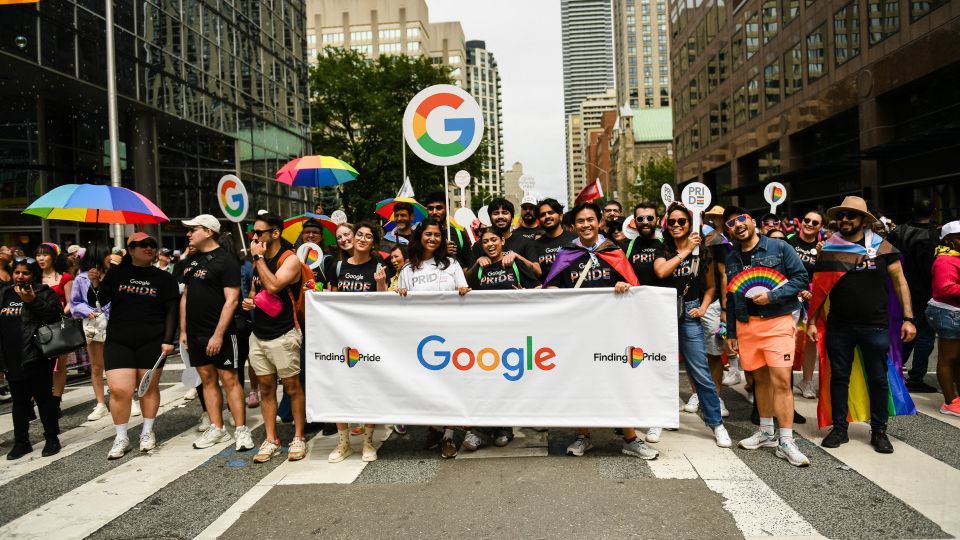
A case in point is Google, which removed Pride Month from its official corporate calendar at the beginning of 2025, citing the move as a desire to “simplify and make the calendar more sustainable,” sparking strong criticism from LGBTQIA+ activists and employees.
It’s not just Google: some companies like Amazon and Meta have temporarily reduced the visibility of Pride content on their platforms, deeming it strategic to limit exposure to avoid political controversy and pressure from conservative segments of the market. Amazon, for example, announced a pause in sponsoring Pride events in certain countries, in response to political pressure and the threat of boycotts from anti-LGBTQIA+ groups.
These about-faces have provoked mixed reactions, generating debates about the authenticity of companies’ commitment to diversity and inclusion.
Who resists and why it matters
Despite these setbacks, many companies and organizations continue to strongly support Pride Month. Brands like Nike, Salesforce, and Ben & Jerry’s have reaffirmed their public commitment, complementing marketing campaigns with significant investments in structured inclusion programs. The WNBA (Women’s National Basketball Association) is an example of cultural resistance: it has celebrated Pride Night every year since 2001, using it as a platform for social activism and inclusion.
Resistance is crucial because it demonstrates that support for LGBTQIA+ people isn’t just a seasonal trend, but a deeply rooted value. In a climate of growing political and social polarization, maintaining consistent engagement is essential to protecting rights and creating a truly inclusive work and social environment.
The Role of Business in Inclusion: Tools and Initiatives
Companies have enormous potential to promote diversity, equity, and inclusion (DEI). We’re talking about concrete actions that can transform corporate culture and the social fabric.
One thing is certain: today, many people still don’t feel safe being themselves. 61.2% of LGBTQIA+ people hide their sexual orientation at work, and the reason is clear: among those who have come out, 40% have experienced career disadvantages.
Nearly 8 in 10 gay or bisexual people report experiencing at least one form of microaggression in the workplace: offensive comments, unwanted advances, or inappropriate questions.
DEI initiatives in Italy still focus primarily on gender (70%) and generational diversity (40%), but only 30% address LGBTQIA+ issues, 23% socioeconomic inequalities, and just 14% the inclusion of people with disabilities.
On ethnic diversity? There aren’t even official data.
We need more. We really need to change our priorities.
Employee Resource Groups (ERGs) are among the most effective tools: these are groups of LGBTQIA+ employees and allies who meet regularly to support each other, promote internal awareness, influence company policies, and organize events. By 2025, more than 60% of large US companies had established dedicated ERGs, with tangible impacts on employee retention and well-being.

Furthermore, inclusive benefit policies (e.g., transgender health coverage), ongoing education on LGBTQ+ issues, and combating discrimination and microaggressions are essential to creating safe environments. Active sponsorship of Pride events and partnerships with advocacy organizations demonstrate genuine and concrete commitment.
Finally, companies can use inclusion metrics to track progress and integrate DEI into evaluation and promotion processes, making inclusive culture part of the corporate strategy.
Italian companies and European initiatives: the local context
In Italy, the path toward LGBTQIA+ inclusion in companies is growing but still lagging behind more mature markets like the US or UK. According to the 2024 survey by the Diversity & Inclusion Observatory of Censis and Valore D, only 35% of large Italian companies have a structured Diversity Management plan that includes LGBTQIA+ issues.
Companies like Enel and Intesa Sanpaolo stand out in 2025 for their active support of Pride. Enel promoted dedicated events during Pride Month and strengthened healthcare benefits for transgender people, while Intesa Sanpaolo launched the ERG-LGBTQ+ “Rainbow Network,” which serves as an internal support and awareness network. Furthermore, Barilla, which has faced criticism in the past for its conservative stance, has gradually modified its communications, sponsoring events and participating in inclusion campaigns.
At the European level, the European Diversity Charter involves over 3,000 companies in 33 countries with concrete commitments to diversity and inclusion. Among the most innovative initiatives is the “LGBTech” project, funded by the European Commission, which promotes LGBTQIA+ inclusion in the technology sector, where the presence of women and LGBTQIA+ people has historically been limited.
Where inclusion is built together: our experience with Autostrade per l'Italia
In July 2024, we had the privilege of participating in Inclusion Week organized by Autostrade per l’Italia, an internal event that combined authentic listening, quality content, and active participation.
During our presentation, we shared Innovamey’s vision of inclusion as a strategic lever for innovation, focusing on the value of intersectionality, particularly between generations, gender, abilities, and LGBTQIA+ identities. A key aspect that emerged from the discussion was that generational diversity—now more than ever, with four generations living together in the workplace—represents an often underestimated asset.
The event demonstrated that when people are directly involved in designing these moments, inclusion becomes real, experienced, and shared.
Practical proposals for SMEs: how to get started
Not just large companies: SMEs too can and must become protagonists of change, with concrete and sustainable actions.
- Establish an internal Employee Resource Group (ERG) or network of allies
Even in small communities, promoting meetings and spaces for discussion on LGBTQ+ issues raises awareness and promotes well-being. - Anti-discrimination policy and inclusive benefits
Formalize clear rules against discrimination and harassment, ensuring benefits such as the recognition of same-sex families and support for gender transition, including through agreements with health insurance companies. - Continuous training and awareness raising
Organize workshops, refresher courses, and opportunities for discussion with experts and associations (e.g., Arcigay or MIT – Movimento Identità Transsessuale) to spread inclusive culture. - Sponsorship and participation in local Pride events and advocacy initiatives
Even a small contribution, financial or in resources, makes a difference and improves the company’s reputation. - Monitoring and anonymous data collection
Adopt internal feedback tools to understand the company climate and gather suggestions for improving inclusion policies. - Transparent and consistent communication
Create internal and public content that showcases corporate commitment, showcasing real employee testimonials and highlighting success stories. Programs like VOICES, Innovamey‘s flagship format, are making a difference. Created to showcase the authentic and profound transformations that companies, institutions, and communities are achieving, VOICES explores the cultural, human, social, and environmental changes that are leaving their mark. These experiences demonstrate how we can truly make a difference when we address the challenges of our time with courage, vision, and responsibility.
VOICES gives voice to those who innovate with impact, those who prioritize inclusion, sustainability, and participation as strategic levers. Because behind every real evolution, there are people. And it is their stories that inspire change.
Because this commitment makes a difference for SMEs too
An inclusive work environment improves satisfaction, reduces turnover, and fosters creativity. A McKinsey 2025 study confirmed that companies with high levels of diversity and inclusion are 25% more likely to achieve better financial results than their less inclusive competitors.
Furthermore, compliance with DEI standards opens up new market opportunities, public funding, and European partnerships, which increasingly consider inclusion a fundamental criterion.
A genuine commitment to the future
Pride Month is a call to everyone: institutions, businesses, and citizens, to build a society where the right to be oneself is respected and celebrated every day. In a time of intense political and cultural tension, the risk of setbacks is real, but businesses have a unique opportunity to be drivers of change.
Only a consistent and structured commitment can transform Pride from a one-off event to a lasting value. This means listening, educating, and acting with courage and responsibility. Because diversity is not just a matter of social justice, but a competitive advantage, a source of innovation and well-being for all.
In a world of percentages and reports, stories still have the power to change things. Because numbers tell us how big the problem is, but it’s experiences that make us understand why action is urgent.
With Inclusion Talks, we give voice to those who are advancing the culture of inclusion in the field: entrepreneurs, managers, collaborators, activists. People who transform their environments every day, often silently, with concrete actions. If you’re working on these issues, or if you have a story that can inspire others, contact us: we’d love to host you in future episodes of Inclusion Talks.
Innovamey is here to amplify every voice that builds a more equitable future.
Innovamey is the organisation that turns sustainability into a real engine of growth, supporting companies in designing sustainable strategies, transforming business models, and communicating with impact. We innovate products and services by placing sustainability at the center, developing solutions that combine progress, responsibility, and competitiveness. We don’t just imagine the future — we build it.
We collaborate with prestigious academic institutions such as Bocconi University, Università Cattolica, and the Glion Institute of Higher Education, training the leaders of tomorrow and developing innovative business strategies through real-world cases and direct engagement with the new generations.
For us, sustainability is not just a goal — it is an evolutionary process, a dynamic balance between innovation, responsibility, and long-term value creation.
We have supported major organisations in rethinking their processes through the lens of positive impact and business-driven results — from evolving products and services for a market increasingly attentive to sustainability, to creating operations designed to attract and empower talent who understand the importance of people, the planet, and profitability.
We help organisations build a sustainable culture through training and conscious leadership, supporting them in authentically communicating their transformation, so that sustainability becomes not just an objective, but a lived and shared reality.
We have played a leading role in major events such as IKN’s Climate Tech, Team Different’s Ethical HR, and Il Sole 24 Ore’s Global Inclusion, contributing to the development of strategies that combine economic progress with social and environmental responsibility.
Innovamey stands for action, impact, and transformation: we work with companies to build a future in which sustainability means innovation, value, and conscious growth.
Because change isn’t something you talk about. You make it happen.